
Ferret, Rabbit & Exotic Pet Spay & Neuter in Pasadena, CA

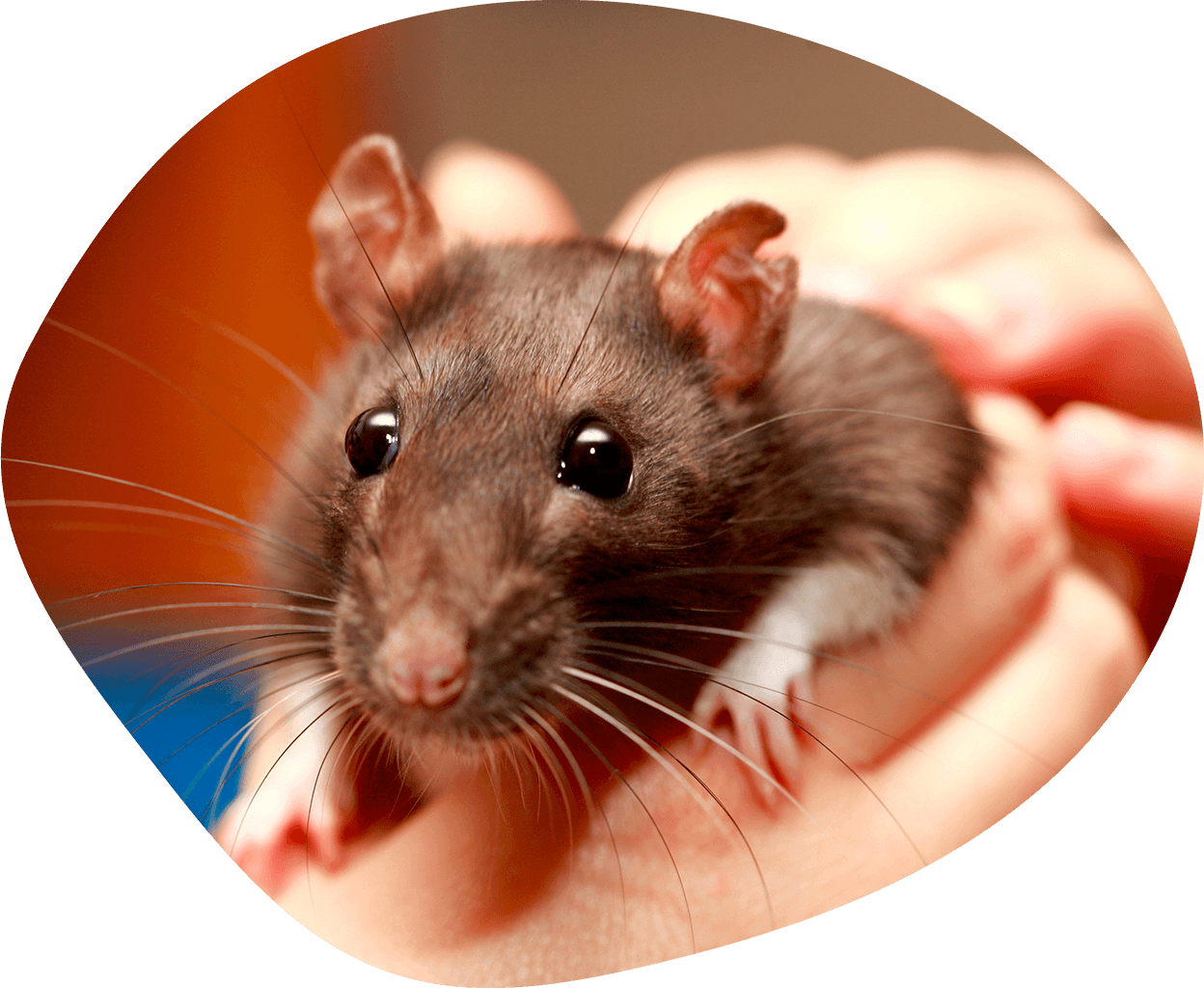
person holding a small brown pet rat

Spaying or neutering an exotic pet is not just about preventing reproduction. For many species, it can also help reduce hormone-driven behaviors, prevent future medical problems, and support a healthier, more comfortable life overall.

At Exotic Animal Veterinary Center, we provide exotic pet spay and neuter services for rabbits, ferrets, and other appropriate species. Because our Pasadena animal hospital focuses exclusively on exotic animals, our surgical protocols, anesthesia planning, monitoring, and recovery care are all designed with these pets in mind.

If you are considering surgery for your pet or have questions about the right timing, call our team at (626) 405-1777 to schedule an exam and consultation.
What Are the Benefits of Spaying or Neutering an Exotic Pet?

Spaying or neutering an exotic pet is about more than preventing unwanted litters. Depending on your pet's species, sex, age, health, and lifestyle, sterilization may help prevent certain reproductive diseases, reduce hormone-driven behaviors, and make it easier for some pets to live safely with compatible companions.

At Exotic Animal Veterinary Center, we provide spay and neuter services for rabbits, guinea pigs, ferrets, rodents, and other appropriate exotic species. Because exotic pets have different anatomy, physiology, anesthesia considerations, and recovery needs than dogs and cats, we tailor each procedure to the individual patient.

Potential benefits of spaying or neutering may include:

  • Preventing unwanted pregnancies

  • Reducing certain hormone-driven behaviors

  • Reducing urine marking or spraying in some species

  • Preventing or reducing the risk of certain reproductive diseases

  • Reducing the risk of some reproductive cancers

  • Making social housing or bonding easier in some pets

The benefits vary by species. For example, spaying female rabbits is an important preventive-health consideration because intact females have a significant risk of developing uterine disease as they age.

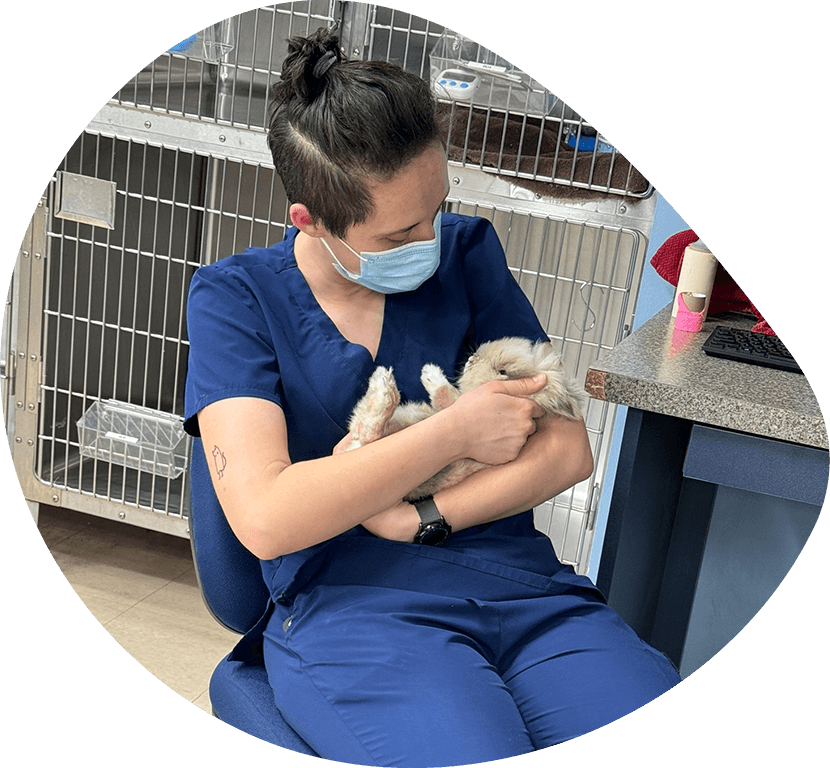
veterinary staff member holding small bunny

Which Exotic Pets Can Be Spayed or Neutered?

Many exotic companion mammals can be candidates for sterilization, including rabbits, guinea pigs, ferrets, rats, mice, hamsters, chinchillas, sugar gliders, and pot-bellied pigs. Reproductive surgery may also be appropriate for some reptiles when medically indicated.

However, spay and neuter recommendations are not the same for every species. Your veterinarian will consider your pet's species, sex, age, health, reproductive status, and living situation when determining whether surgery is appropriate.

For some exotic pets, sterilization is primarily considered to prevent reproduction or reproductive disease. For others, behavioral or population-management considerations may also play a role. Ferrets, in particular, have unique reproductive physiology and may have additional reproductive-management options that should be discussed with an exotic animal veterinarian.

How Should I Prepare My Exotic Pet for Spay or Neuter Surgery?

Your pet's preparation instructions will depend on their species and individual health.

One important difference between exotic pets and dogs and cats is that some exotic pets should not undergo prolonged fasting before anesthesia. Rabbits, for example, cannot vomit, and prolonged food restriction is generally not appropriate. Your veterinarian will give you specific instructions for your pet rather than asking you to follow standard dog or cat fasting guidelines.

Before surgery, we will review:

  • Feeding instructions

  • Medication instructions

  • Arrival time

  • Whether pre-anesthetic testing is recommended

  • What to bring to the appointment

  • What to expect during and after the procedure

If you're unsure whether your pet should eat before surgery, contact our team rather than withholding food on your own.

How Long Does It Take for an Exotic Pet to Recover After Surgery?

Recovery varies depending on your pet's species, procedure, health, and individual response to anesthesia.

Before your pet goes home, we'll provide detailed instructions for postoperative care, including: prescription medications, activity restrictions, incision monitoring, signs of pain or complications, and follow-up care. For many exotic pets, returning to normal eating and gastrointestinal activity after anesthesia is an especially important part of recovery.

Contact your veterinarian promptly if your pet stops eating, becomes unusually quiet or weak, has difficulty breathing, develops significant swelling or discharge from the incision, or otherwise seems unwell after surgery.

If your exotic pet needs to be spayed or neutered, give us a call at (626) 405-1777 or book a consultation online.

Frequently Asked Questions About Exotic Pet Spay & Neuter

Is spaying or neutering safe for exotic pets?

Should I fast my rabbit before surgery?

Will my exotic pet need bloodwork before surgery?

How long will my exotic pet need to recover after surgery?

What should I watch for after my exotic pet's surgery?

Can my exotic pet go home the same day as surgery?

Will spaying or neutering change my pet's behavior?

Can spaying or neutering prevent reproductive disease?