
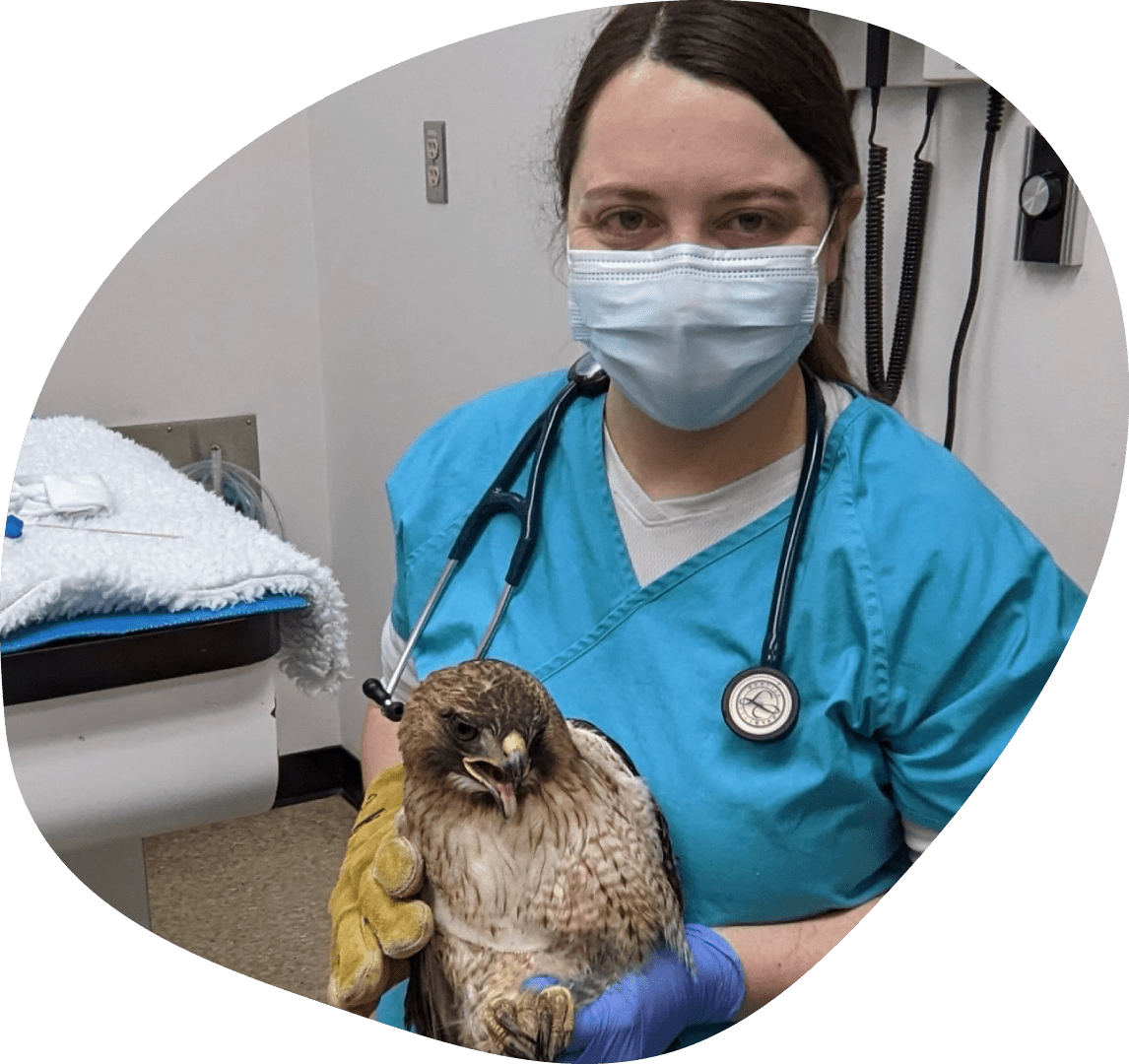
Bringing an exotic pet to the veterinarian can feel a little different, especially if you are not sure what will happen during the visit. At Exotic Animal Veterinary Center in Pasadena, CA, we try to make the process clear from the start so you know what to bring, what we will look for, and how we will talk through your pet’s care.
Every appointment is tailored to the species in front of us. Rabbits, birds, reptiles, guinea pigs, chinchillas, ferrets, and other exotic pets all have different needs, and our exams are shaped around what is normal for them.
Before Your Appointment
If this is your pet’s first visit with us, please bring any medical records you have, including previous exam notes, lab results, imaging reports, medication history, and vaccination information. We will also contact your previous vet for existing files. Even older records can help us understand your pet’s baseline and see what has changed over time.
It also helps to bring details about your pet’s daily routine, including diet, housing, lighting, temperature, behavior, and any recent changes you have noticed. For exotic pets, those home-care details often provide valuable clues.
What Happens During the Exam
Your veterinarian will perform a full physical exam based on your pet’s species and reason for the visit. We may check weight, temperature, heart and lung sounds, eyes, ears, mouth, skin, movement, hydration, and overall body condition.
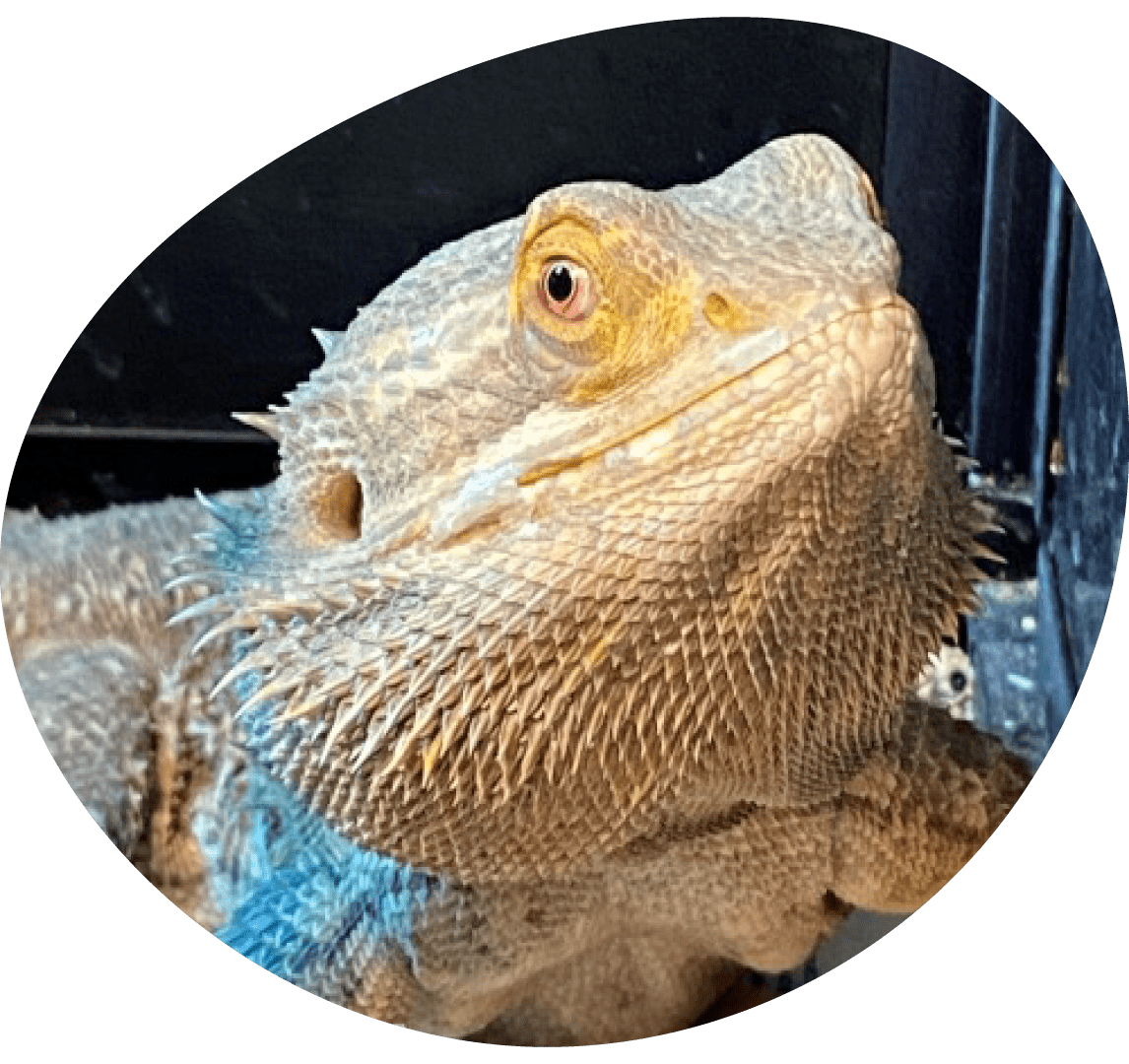
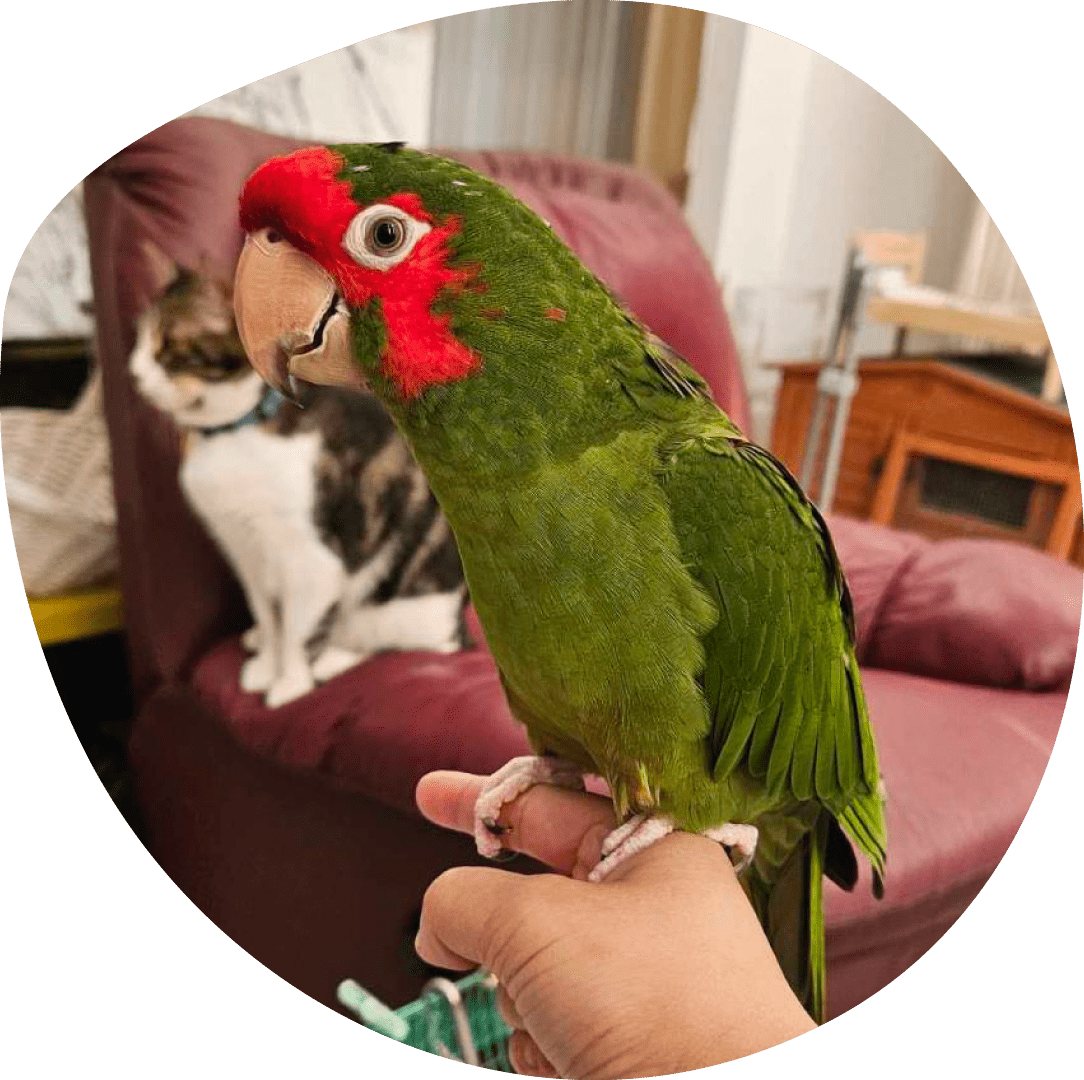
For small mammals, the mouth and teeth are often a major focus because dental problems can affect eating, comfort, and long-term health. For birds, we may evaluate feather condition, beak shape, wing and nail length, breathing, weight, and posture. Reptile visits often include a close look at body condition, skin, mouth, movement, and husbandry needs.
We will also take time to talk with you. Your observations matter, especially when your pet has been eating differently, acting quieter, moving less, or showing changes that may seem small.
Discussing Treatment and Next Steps
After the exam, our veterinarian will review their findings with you and explain the next steps. This may include medication, husbandry changes, nutritional adjustments, diagnostics, procedures, surgery, or follow-up care.
Before moving forward, our team will create a treatment plan and review expected costs whenever possible. We want you to feel informed before decisions are made, especially when your pet needs more advanced care.
If medication or home care is recommended, our technicians can walk you through how to give treatments safely and comfortably. We know that giving medication to an exotic pet is not always simple, so we take the time to show you what to do.