
Wellness Exams, Vaccines & Husbandry Guidance Exotic Pet Care in Pasadena, CA

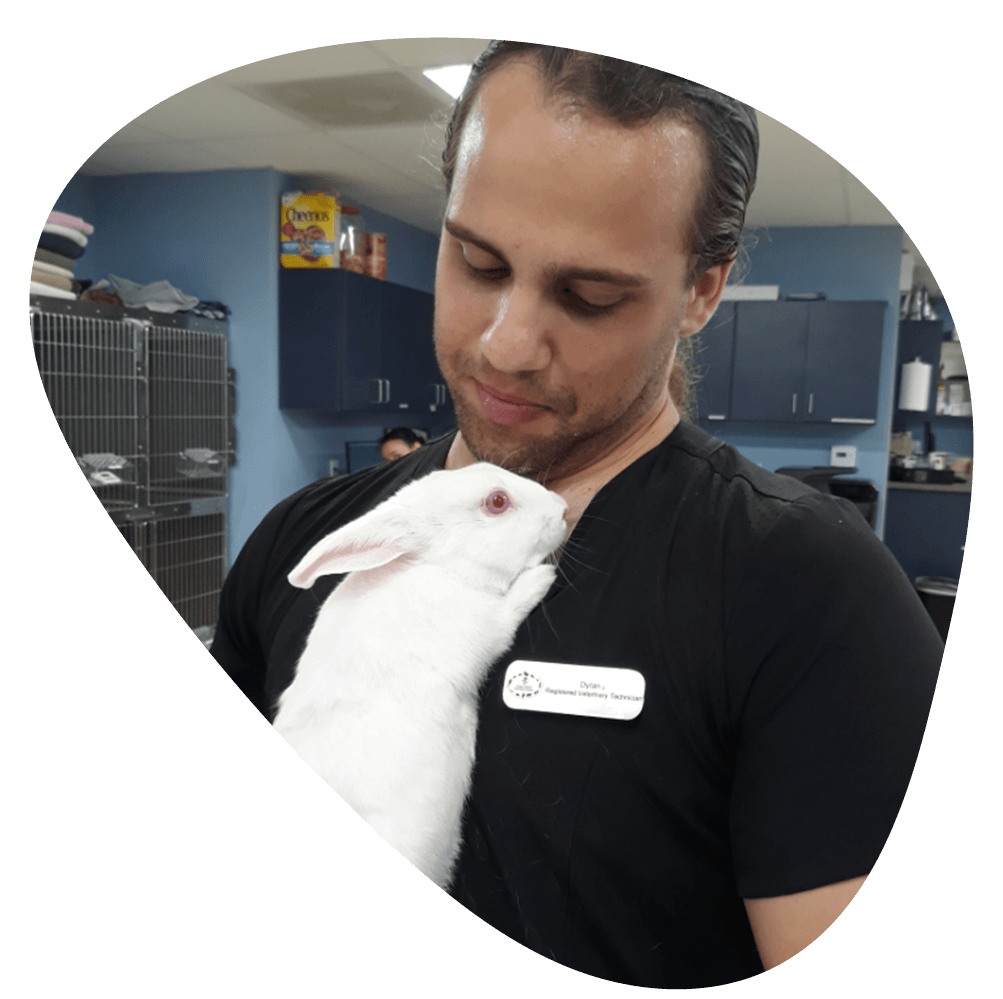
male veterinarian holding white rabbit

Exotic pets are often very good at hiding signs of illness. A rabbit may start eating less. A bird may become quieter. A reptile may spend more time hiding. Because these changes can be subtle, routine veterinary care gives your pet’s doctor an opportunity to identify concerns before they become more advanced.

Our experienced veterinarians provide exotic pet care in Pasadena, CA for rabbits, guinea pigs, chinchillas, ferrets, birds, reptiles, pet pigs, and other exotic species. Regular preventive care visits help you stay ahead of common health concerns through regular exams, species-specific guidance, vaccines when appropriate, and practical support for life at home.

Whether your pet is new to you, due for a checkup, or simply acting a little different, we’re here to help you sort through what’s normal and what needs a closer look.

Call (626) 405-1777 today or request an appointment online to schedule an exotic pet wellness exam.

Why Do Exotic Pets Need Regular Veterinary Exams?

Exotic pets need regular veterinary care because they often hide signs of illness until a condition has progressed. Wellness exams give us a chance to notice small changes in weight, teeth, skin, feathers, movement, appetite, and behavior before they become harder to manage.

Routine visits also give you a place to ask questions. Diet, habitat, temperature, lighting, enrichment, and handling all affect your pet’s health. Small adjustments at home can help prevent larger medical problems later.

For many exotic pets, annual exams are a helpful starting point. Pets with chronic conditions, dental concerns, advanced age, or previous illness may need more frequent visits.

Planning your first appointment? Learn what to expect during your visit.

When Should I Take My Exotic Pet to the Veterinarian?

Even small changes can matter for exotic pets. You should schedule an exam if you notice anything unusual, especially if your pet’s appetite, energy, breathing, or elimination changes.

Common signs and conditions we evaluate include:

  • Loss of appetite or reduced eating

  • Weight loss or sudden weight changes

  • Smaller, fewer, or abnormal droppings

  • Lethargy, weakness, or hiding

  • Overgrown teeth, drooling, or trouble chewing

  • Limping, stiffness, or trouble moving

  • Nasal discharge, sneezing, or noisy breathing

  • Skin changes, feather loss, or abnormal shedding

  • Egg binding in birds or reptiles

  • Bladder stones, sludge, or urinary changes

  • Digestive issues, including GI stasis or bloat in rabbits

  • Behavior changes that feel unusual for your pet
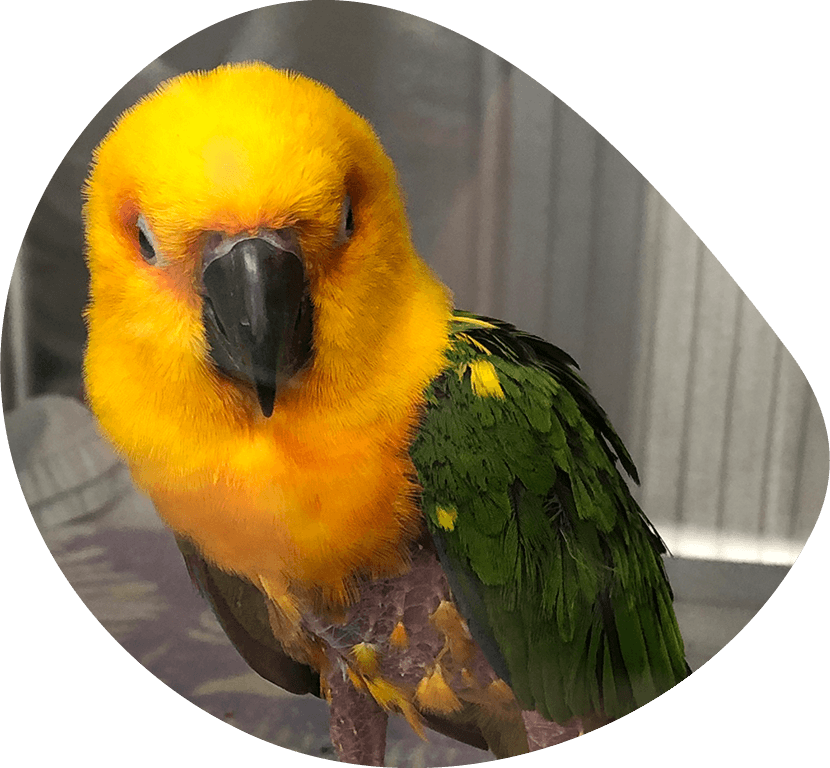
closeup of yellow and green bird

Preventive Exotic Pet Care Services We Offer

Preventive veterinary care varies significantly from one species to another. Our veterinarians tailor recommendations according to your pet’s species, age, diet, environment, lifestyle, medical history, and individual risk factors.

Exotic Pet Wellness Exams

Vaccinations for Exotic Pets

Diet & Husbandry Guidance

Partners in Preventive Pet Care

Different exotic species have very different medical needs. A rabbit’s dental and digestive health requires a different approach than the care of a parrot, snake, guinea pig, or ferret.

Our Pasadena veterinarians work specifically with exotic animals, giving them regular experience with the anatomy, behavior, nutrition, diseases, and husbandry needs of these species. Our team includes experienced exotic veterinarians and board-certified doctors, and our animal hospital is equipped to provide wellness care, diagnostics, dentistry, surgery, urgent care, and ongoing management when more advanced treatment is needed.

That species-focused experience also allows us to give owners more specific answers about questions that may be difficult to address in a traditional dog-and-cat veterinary setting.

Exotic Pet Care FAQ

How often should an exotic pet see a veterinarian?

What happens during an exotic pet wellness exam?

Do exotic pets need vaccines?

Why is husbandry important for exotic pets?

What exotic pets do you treat?