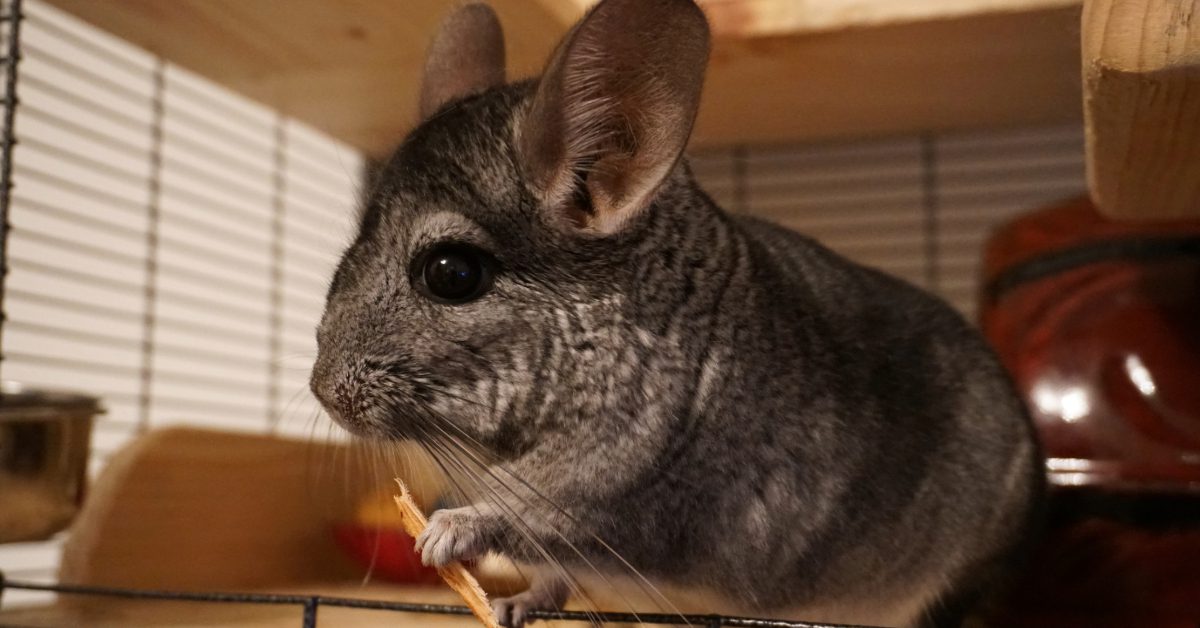
Yes, a chinchilla dropping food is one of the earliest and most reliable signs of chinchilla dental disease, and it deserves prompt veterinary attention rather than a wait-and-see approach. At Exotic Animal Veterinary Center in Pasadena, CA, our exotic animal veterinarians regularly diagnose this condition in pets whose only visible symptom was avoiding or dropping their food. Because chinchilla teeth grow continuously throughout life, understanding how these dental problems develop is essential for every chinchilla owner who wants to catch issues before they become severe. Chinchilla owners often describe the same scenario: their pet approaches the food bowl eagerly, picks up a pellet or piece of hay, and then drops it without finishing the bite. This pattern can repeat itself for days or weeks before owners realize it points to something more serious than pickiness.
Why Is Dropping Food Often the First Warning Sign of Chinchilla Dental Disease?
Chinchillas have open-rooted teeth that grow continuously, which means their teeth must wear down evenly through chewing fibrous hay and other rough textures. When that wear becomes uneven, dental disease often follows, and one of the very first behavioral changes owners notice is their chinchilla dropping food after picking it up.
Why Painful Chewing Leads to Dropped Food
This happens because overgrown or misaligned teeth make chewing painful or physically difficult. Rather than refusing food outright, many chinchillas will pick up a pellet or piece of hay, attempt to chew, and then drop it, sometimes repeating this cycle many times. Some chinchillas will even continue approaching the food bowl out of hunger and habit, which can make the underlying problem easy to overlook if owners only check whether the bowl appears to be emptying.
Other Early Clues to Watch For
Other early clues that often accompany food dropping include:
- Selective eating, such as favoring softer foods over hay
- Smaller fecal pellets or a noticeable drop in the number of droppings produced
- Drooling, wet fur around the chin, or matted fur on the front paws
- Reduced overall food intake despite an interested approach to the food bowl
Because chinchillas instinctively mask pain, dropped food at mealtime is often the very first visible clue that chinchilla dental disease is developing, even before owners notice any change in the teeth themselves.
What Hidden Symptoms Indicate Your Chinchilla’s Teeth Are Overgrown?
While a chinchilla dropping food is a key visible sign, overgrown teeth often produce additional symptoms that are easy to miss without a thorough physical exam.
Symptoms Beyond the Mouth
Hidden indicators of overgrown teeth in chinchillas include:
- Weight loss that develops gradually as eating becomes less efficient or comfortable
- Watery eyes or nasal discharge caused by tooth roots pressing into nearby structures
- Lethargy or reduced activity, which often results from chronic discomfort
- Bad breath or visible swelling along the jawline in more advanced cases
Why Back Molars Are Easy to Miss
Because the back molars are difficult to see without specialized equipment, many owners are unaware that overgrowth is occurring until a veterinarian performs an oral exam. A quick glance at the front incisors often looks completely normal, even when significant overgrowth is present further back in the mouth. This is one of the key reasons chinchilla dental disease often goes undiagnosed until a pet is already dropping food regularly or losing weight.
How Does Elongated Tooth Root Syndrome Affect Your Chinchilla’s Health?
Elongated tooth root syndrome is an advanced form of chinchilla dental disease in which the roots of the teeth grow abnormally long, pushing into the jawbone, sinuses, or even the area around the eyes. This condition develops gradually, often as a result of years of subtle dental imbalance, and it significantly worsens the discomfort behind the dropped-food behavior owners notice at mealtime.
How This Advanced Condition Develops
Elongated tooth root syndrome reflects a long-standing pattern of uneven wear, which is why it tends to appear in chinchillas with a history of mild, unaddressed dental imbalance rather than developing suddenly on its own. By the time root elongation becomes severe, the surrounding bone and soft tissue have often been affected as well, which is part of why this advanced stage of chinchilla dental disease can be more challenging to manage.
Complications of Elongated Tooth Roots
As elongated tooth root syndrome progresses, it can lead to:
- Visible facial swelling or bony bumps along the jaw
- Chronic eye discharge or even abscess formation near the eye
- Significant, ongoing weight loss due to the inability to chew comfortably
- Increased risk of secondary infections in the mouth, sinuses, or tear ducts
Because elongated tooth root syndrome reflects a long-standing pattern of dental decline, early detection through regular checkups is far more effective than waiting for dropped food or facial swelling to appear at home.
What Treatment Options Are Available for a Chinchilla with Dental Problems?
Chinchilla dental disease is typically managed through a combination of professional dental care and long-term lifestyle adjustments. Treatment depends heavily on how advanced the condition is at the time of diagnosis.
Professional Dental Care
Common treatment approaches include:
- Dental filing or trimming performed under anesthesia to correct overgrown or misaligned teeth
- Pain management to keep your chinchilla comfortable during recovery
- Imaging, such as skull CT scans, to better visualize the tooth root health and rule out elongated tooth root syndrome
- Long-term dietary management focused on unlimited access to high-fiber hay
Long-Term Management at Home
Because chinchilla teeth never stop growing, dental disease often requires ongoing monitoring rather than a single fix. Chinchillas that have experienced these issues once are more likely to need periodic rechecks to catch any recurrence before food dropping becomes a daily occurrence again. Keeping an eye on appetite, droppings, and food preferences between checkups can help you and your veterinary team stay ahead of any new dental changes as they develop.
What Pasadena Chinchilla Owners Should Watch for at Mealtime
A chinchilla dropping food is rarely just a quirky habit. More often, it’s an early signal of chinchilla dental disease that benefits significantly from prompt diagnosis and treatment. If you’ve noticed your chinchilla struggling at mealtimes, our exotic animal specialists at Exotic Animal Veterinary Center in Pasadena, CA, can perform a thorough oral exam and create a treatment plan tailored to your pet’s needs. Call us at (626) 405-1777 to schedule an evaluation today.
Recent Posts
About Us
Exotic Animal Veterinary Center in Pasadena, CA provides veterinary care exclusively for exotic pets, including rabbits, birds, reptiles, small mammals, and other unique species. Their team offers preventive care, diagnostics, dentistry, surgery, urgent care, and holistic therapies tailored to each pet’s species, behavior, and needs. With experienced exotic veterinarians and board-certified specialists, the practice gives families a trusted place for both routine care and more complex medical concerns.